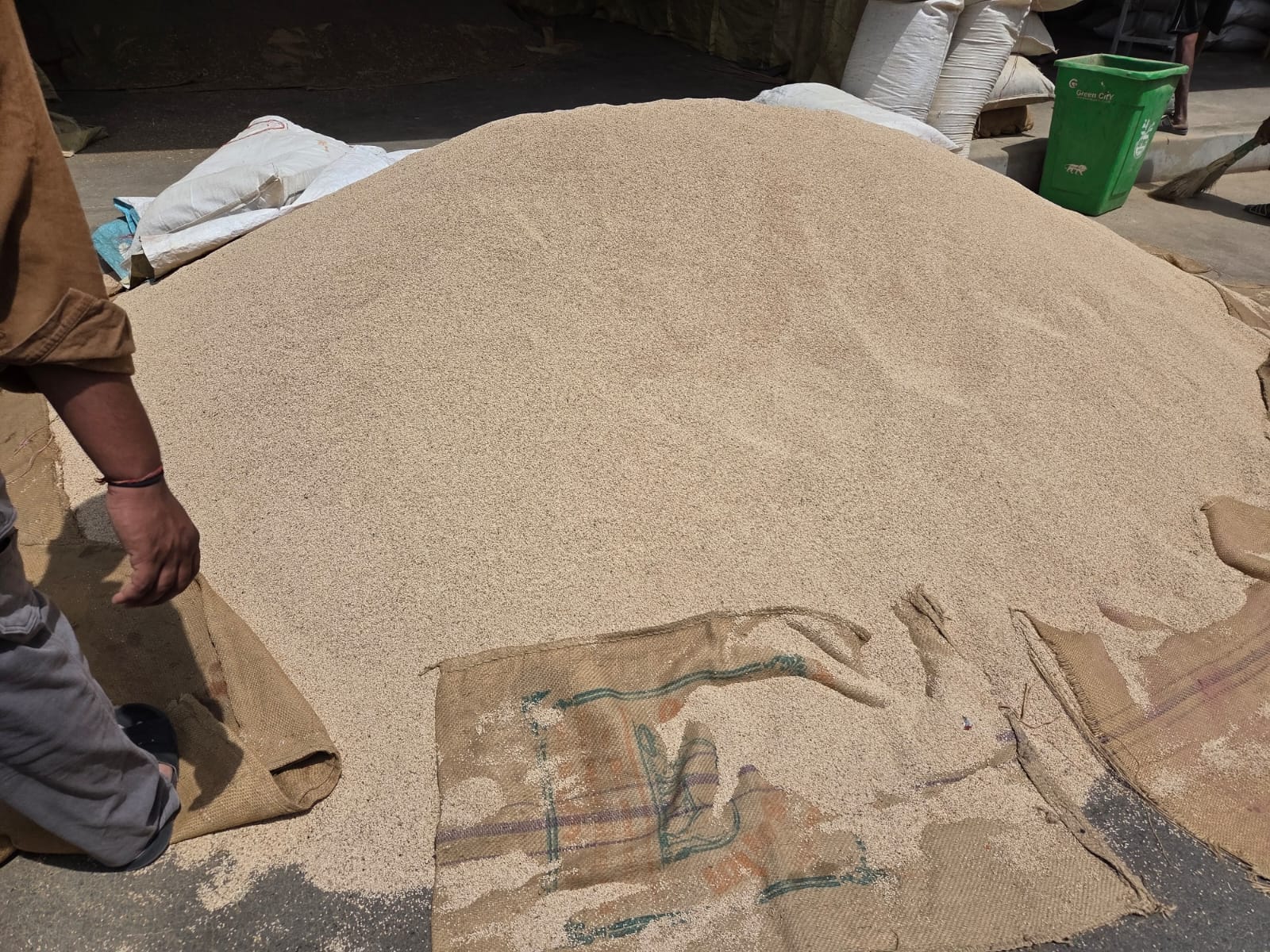
About Indian Sesame Seeds
Sesame seeds are one of India's important agricultural export products. They are used across food processing, bakery, confectionery, spice blends, tahini manufacturing, edible oil extraction, snack production, and retail food packaging. For importers, sesame seeds are not only a commodity purchase. The right supplier must understand purity, moisture, seed color, admixture, sorting, packaging, documentation, and shipment planning.
Buyers searching for an Indian sesame seeds exporter usually want three things: reliable quality, competitive pricing, and smooth export execution. A low price alone is not enough if the shipment has inconsistent quality, weak communication, poor documentation, or packaging that does not match the buyer's destination market. RPM Global Exports focuses on helping buyers source sesame seeds with clear specifications and practical export support.
Why Source Sesame Seeds from India?
India has a long history of sesame cultivation and trade. Gujarat is one of the important sourcing regions connected with oilseeds, spices, and agricultural commodities. The region has access to farmers, traders, cleaning units, processors, packers, transporters, and western Indian ports such as Mundra and Kandla. This makes Gujarat a practical base for sourcing sesame seeds for export.
International buyers often source Indian sesame seeds because of the available variety, established trade network, flexible packaging, and experience with food export documentation. Depending on the buyer's requirement, sesame seeds can be supplied for bakery use, tahini, oil extraction, spice blends, retail packs, wholesale distribution, or further processing.
Types of Sesame Seeds Buyers Commonly Source
Natural Sesame Seeds
Natural sesame seeds retain their outer hull and are commonly used in food processing, bakery toppings, spice blends, oil extraction, and wholesale trading. Buyers usually evaluate natural sesame seeds by color, purity, moisture, foreign matter, admixture, and overall cleanliness.
Hulled Sesame Seeds
Hulled sesame seeds have the outer hull removed and are widely used in bakery, confectionery, tahini, ready-to-eat food, and premium food applications. Hulled sesame normally requires more processing than natural sesame, so buyers should clearly mention required purity, color, microbial limits, and intended use.
Sortex Cleaned Sesame Seeds
Sortex cleaned sesame seeds are processed through color sorting and cleaning systems to reduce impurities, discolored seeds, foreign matter, and uneven particles. Buyers requiring export-grade sesame usually ask for sortex cleaned material because consistency matters in food manufacturing.
Indicative Sesame Seeds Specifications
Final specifications depend on crop availability, buyer requirement, processing level, grade, testing, packaging, and destination country regulations. The table below is an indicative guide for buyers planning to import sesame seeds from India.
| Parameter | Typical Requirement |
|---|---|
| Product Name | Sesame Seeds |
| Botanical Name | Sesamum indicum |
| Origin | India |
| Available Forms | Natural, hulled, sortex cleaned, machine cleaned |
| Purity | As per buyer requirement, commonly 99% or above for cleaned grades |
| Moisture | As per agreed specification |
| Admixture | As per agreed specification |
| Color | White, natural white, brown, black or buyer-specific requirement |
| Packaging | 25 kg bags, 50 kg bags, PP bags, paper bags or customized packing |
| Loading Port | Mundra / Kandla / other Indian port depending on shipment |
| HS Code | 120740 |
Applications of Indian Sesame Seeds
- Bakery toppings for breads, buns, crackers, and biscuits
- Tahini and sesame paste manufacturing
- Confectionery, sweets, bars, and snack products
- Spice blends, seasoning mixes, and ethnic food products
- Edible oil extraction and roasting applications
- Retail packs for supermarkets, wholesalers, and foodservice buyers
- Private-label food brands and ingredient distribution
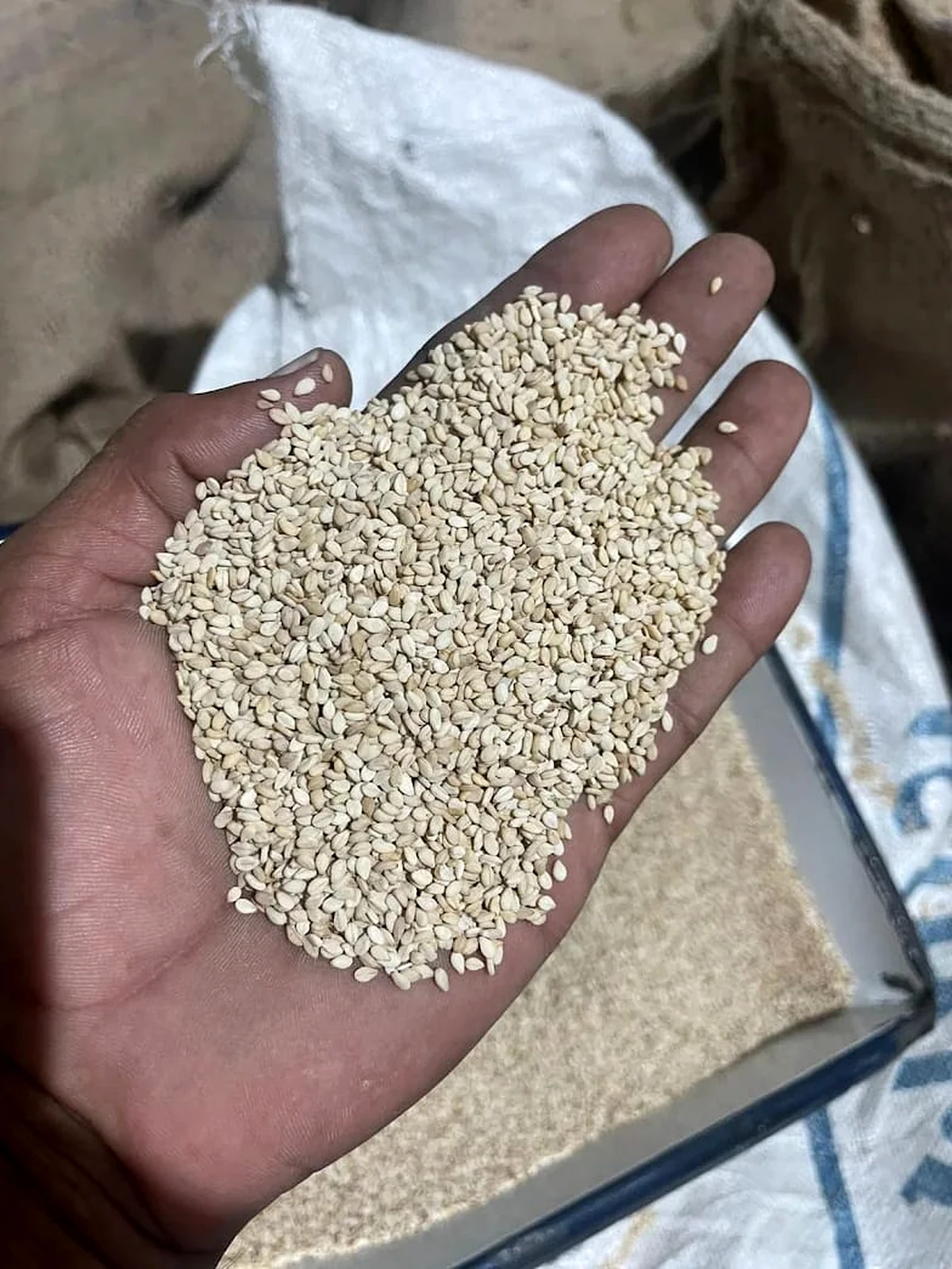
Quality Parameters Importers Should Check
Sesame quality should be discussed before price negotiation. Important parameters include purity, moisture, foreign matter, admixture, seed color, size consistency, broken seeds, immature seeds, odor, infestation, and processing level. For food buyers, microbial limits, pesticide residue requirements, and country-specific compliance may also matter.
Importers should share the exact intended use before asking for a quotation. Sesame for tahini, bakery topping, oil extraction, spice blending, and retail packing may require different grades. When the buyer shares grade, quantity, packaging, destination port, and target shipment timeline, the exporter can give a more practical quotation.
Export Packaging Options
Sesame seeds must be packed in clean, dry, and export-suitable packaging. Common bulk packaging options include 25 kg and 50 kg bags. Depending on the buyer's requirement and supplier capacity, sesame can be packed in PP bags, paper bags, laminated bags, or customized branded packing. For retail or private-label buyers, additional packing discussions may be required.
Packaging must be selected according to destination, storage condition, handling method, and container movement. Moisture protection is important because sesame seeds can lose quality if exposed to unsuitable storage or transit conditions. Buyers should confirm whether they need palletization, bag marking, batch details, labeling support, or specific packaging material.
Documents Commonly Required for Sesame Seeds Export
- Commercial Invoice
- Packing List
- Certificate of Origin
- Bill of Lading
- Phytosanitary Certificate, if applicable
- Fumigation Certificate, if required
- Certificate of Analysis, if required
- Inspection or test reports, if required by buyer or destination country
How RPM Global Exports Supports Sesame Buyers
RPM Global Exports is based in Gujarat, India, and focuses on selected agricultural products including sesame seeds, cumin seeds, and psyllium husk. We work with a practical buyer-first approach: understand the requirement, confirm the grade, discuss packaging, check availability, provide quotation support, and assist with export documentation.
We are especially suitable for importers who want clear communication and a focused sourcing partner instead of a generic trader offering hundreds of unrelated items. For sesame seeds, we can discuss natural, hulled, and cleaned grades based on buyer requirement and current supplier availability. Buyers can share their required quantity, destination port, packaging preference, and quality parameters to receive a practical FOB or CIF quotation.
Looking for an Indian sesame seeds exporter?
Share your product type, quantity, destination port, packaging requirement, and target grade. RPM Global Exports can support you with sesame sourcing, quotation discussion, and export documentation assistance from India.
How to Choose the Right Sesame Seeds Exporter from India
A reliable sesame exporter should be able to answer practical questions clearly. What grade is available? Is the sesame natural or hulled? Is it machine cleaned or sortex cleaned? What is the expected moisture level? Which packing is available? Which port will be used? Can the supplier support documents requested by the buyer? These questions are more useful than asking only for the lowest price.
Before confirming an order, buyers should request specifications, samples where practical, packaging details, payment terms, delivery timeline, and documentation scope. This reduces misunderstanding and helps both buyer and exporter move faster from inquiry to shipment.
Frequently Asked Questions
1. Do you export sesame seeds from India?
Yes. RPM Global Exports supplies Indian sesame seeds from Gujarat, India, based on buyer requirement, grade availability, packaging needs, and destination market requirements.
2. What types of sesame seeds can be sourced?
Common options include natural sesame seeds, hulled sesame seeds, machine cleaned sesame seeds, and sortex cleaned sesame seeds. Final availability depends on grade, quantity, and current market supply.
3. What information is needed for a quotation?
Buyers should share the product type, required quantity, destination port, packaging requirement, target grade, payment preference, and whether they need FOB, CIF, or another shipment term.
4. Can sesame seeds be packed under buyer label?
Customized packing or buyer-label packing can be discussed depending on order quantity, packaging format, supplier capability, and timeline.
5. Which ports are commonly used for shipments from Gujarat?
Shipments from Gujarat commonly move through Mundra or Kandla port, depending on container availability, shipping schedule, freight rate, and buyer destination.
6. Can you provide sesame samples before bulk order?
Sample availability can be discussed based on product type, destination country, courier feasibility, and buyer requirement. Samples help buyers review color, cleanliness, size, and overall quality before bulk discussion.