Why Sesame Export from India Matters
India has a long history of sesame cultivation and trading. Sesame seeds are grown in several Indian states and are supplied to domestic food processors as well as international markets. Buyers choose Indian sesame because of product availability, established cleaning and sorting infrastructure, access to export packaging, and the ability to source different grades based on end use.
For an importer, sesame export from India is not only about finding a low price. The real job is to match the correct product quality with the correct application. A buyer using sesame for tahini may have different requirements than a bakery, spice processor, oil mill, or ethnic food distributor. This is why specifications such as purity, moisture, admixture, oil content, color, seed size, pesticide limits, and microbiological parameters should be discussed before quotation.
RPM Global Exports, a trusted Indian agricultural exporter, focuses on selected agricultural products including bulk sesame seeds from India, cumin seeds, and psyllium husk. Our approach is to work with clear buyer requirements, practical packaging options, and transparent communication so that importers can evaluate the product before placing a bulk order.
Common Types of Sesame Seeds Exported from India
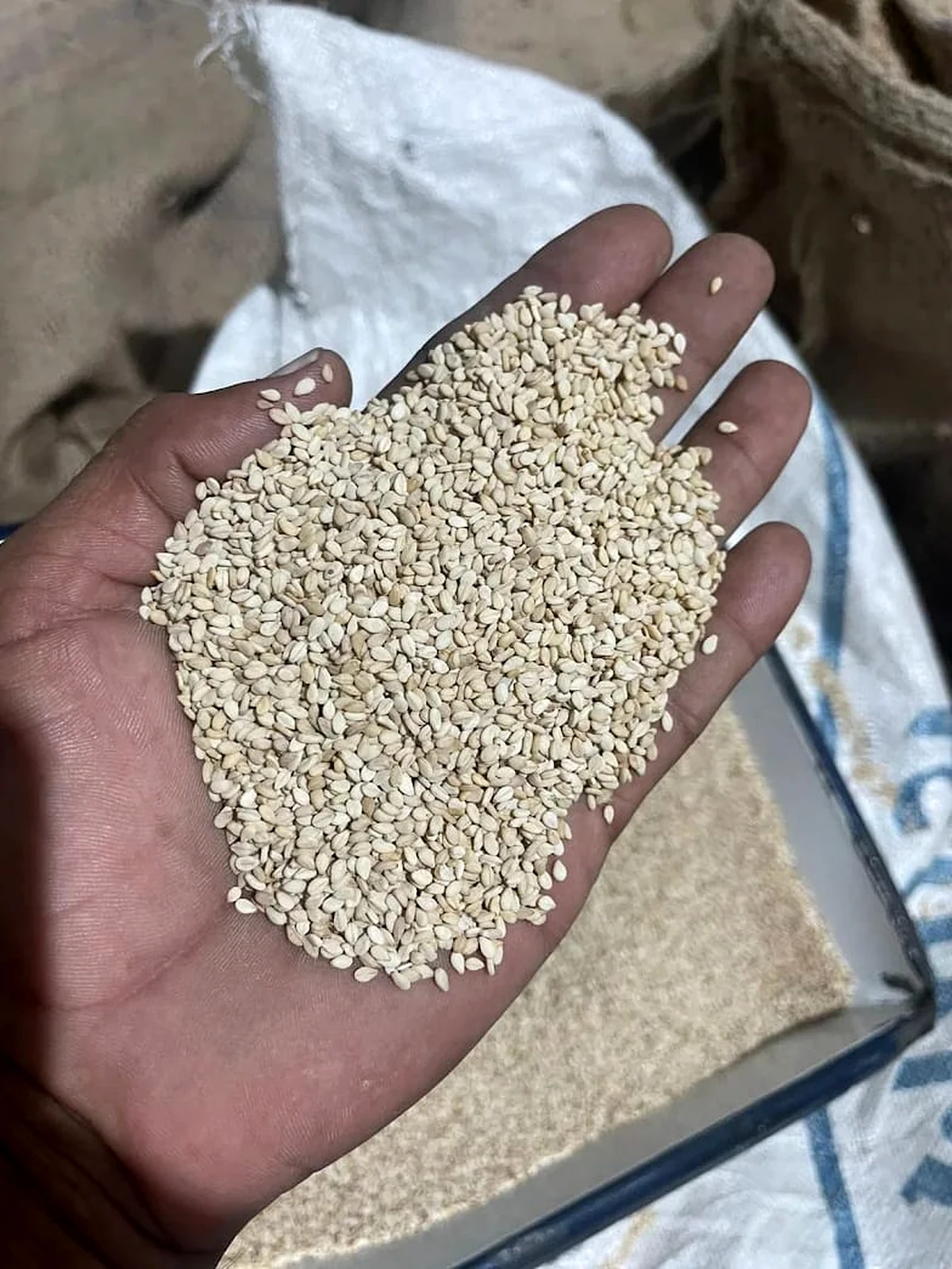
Natural Sesame Seeds
Natural sesame seeds are supplied with the outer hull intact. They are commonly used in oilseed applications, spice blends, snack products, and certain food processing uses. Natural sesame is often evaluated by color, cleanliness, oil content, moisture, and foreign matter.
Hulled Sesame Seeds
Hulled sesame seeds have the outer skin removed through processing. They are widely used in bakery products, tahini, confectionery, toppings, and food manufacturing where a cleaner appearance and softer texture are required. Hulled sesame usually requires tighter quality control because visual appearance and uniformity are important for the final product.
White, Black and Brown Sesame
Sesame color requirements vary by market and application. White sesame is common for bakery and food processing, black sesame is used in specialty foods and health-focused products, while brown or mixed sesame can be used for oil, roasting, and processing depending on buyer demand.
Key Quality Parameters for Sesame Export
Before importing sesame seeds from India, buyers should request a clear specification sheet. The final specification depends on crop quality, processing level, supplier capability, and destination country regulations. However, most buyers normally evaluate sesame based on the following points:
- Purity percentage
- Moisture level
- Foreign matter and admixture
- Damaged or broken seeds
- Color uniformity
- Oil content, if required
- Microbiological limits, if applicable
- Pesticide residue limits for regulated markets
- Packaging condition and shelf-life requirement
For food-grade sesame, buyers should not depend only on visual inspection. A sample may look clean, but the final shipment should match agreed parameters. For regulated markets, buyers may also need a Certificate of Analysis, pesticide residue report, microbiological report, fumigation certificate, or other testing documents depending on the destination and end use.
Indicative Sesame Seeds Specifications
The table below gives a practical reference for importers. Final values should always be confirmed before quotation and shipment.
| Parameter | Typical Export Requirement |
|---|---|
| Product Name | Sesame Seeds |
| Origin | India |
| Available Types | Natural, hulled, white, black, brown sesame |
| Purity | As per buyer requirement, commonly 99% or higher for cleaned grades |
| Moisture | As per agreed specification |
| Admixture | As per agreed specification |
| Packaging | 25 kg / 50 kg PP bags, paper bags, or customized packing |
| Shipment Terms | FOB, CIF or other agreed Incoterms |
| Loading Port | Mundra / Kandla / Nhava Sheva or suitable Indian port |
| HS Code | 120740 |
How Sesame Export from India Works
The export process begins with the buyer sharing a clear requirement. A good inquiry should include product type, quantity, destination port, packaging preference, quality specification, expected shipment timeline, and payment terms. Without these details, exporters can only give a rough price, which may change later when quality or logistics requirements become clear.
Once the requirement is understood, the exporter checks product availability, supplier capability, packing options, and freight feasibility. For serious buyers, a sample may be discussed before bulk order confirmation. After the commercial terms are agreed, documents are prepared and the cargo is packed, inspected, transported to port, and shipped according to the agreed Incoterms.
Typical Export Flow
- Buyer sends requirement with quantity, quality and destination port
- Exporter checks availability and provides FOB or CIF quotation
- Sample and specification are confirmed, if required
- Commercial terms, packing and shipment timeline are finalized
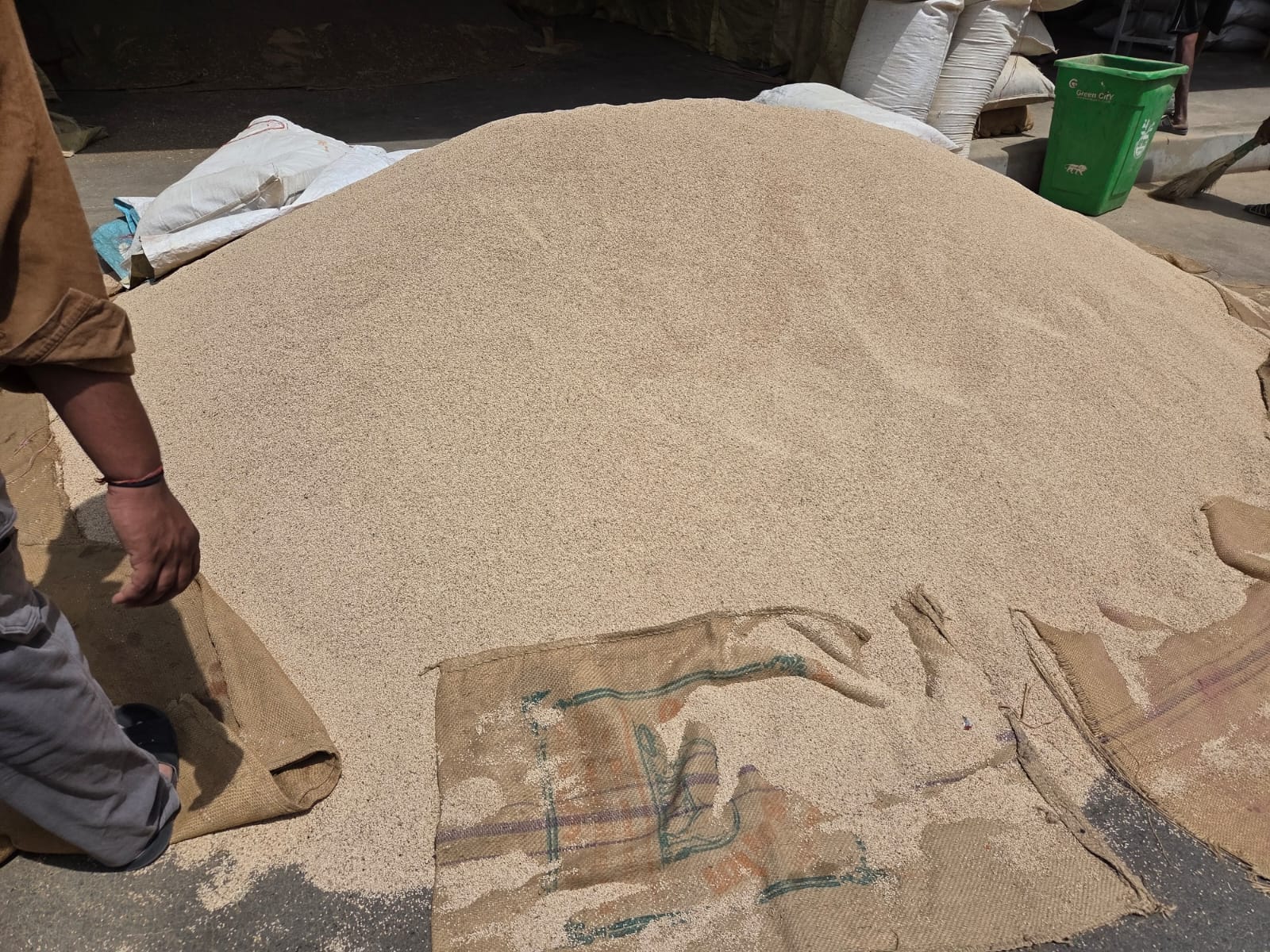
- Product is cleaned, sorted and packed according to agreed requirement
- Export documents are prepared
- Cargo is moved to port and loaded for shipment
FOB and CIF Pricing for Sesame Buyers
Importers normally ask for FOB or CIF pricing. In FOB pricing, the exporter quotes the product up to the Indian loading port. The buyer or buyer's freight forwarder manages ocean freight, insurance, and destination-side costs. In CIF pricing, the exporter includes ocean freight and insurance up to the destination port mentioned by the buyer.
For accurate CIF pricing, the buyer should share the destination port, quantity, container type, preferred packing, and target shipment month. Freight rates can change, so a CIF quotation is usually valid for a limited time. Buyers comparing quotes should ensure they are comparing the same product quality, same packing, same quantity, same port, and same Incoterm.
Documents Commonly Used in Sesame Export
Documentation depends on destination country, buyer requirement and product use. Common documents for sesame export from India may include:
- Commercial Invoice
- Packing List
- Certificate of Origin
- Bill of Lading
- Phytosanitary Certificate, if applicable
- Fumigation Certificate, if required
- Certificate of Analysis, if required
- Pesticide residue report, if required
- Microbiological test report, if required
Importer Checklist Before Buying Sesame from India
A clear inquiry helps suppliers respond faster and reduces confusion during quotation. Before asking for a price, importers should prepare the following information:
- Required sesame type: natural, hulled, white, black or brown
- Required quantity: sample, LCL, 1 MT, 5 MT, 10 MT or container load
- Destination port and country
- Expected purity, moisture and admixture limits
- Packaging requirement
- Target use: tahini, bakery, oil, spices, retail packing or food manufacturing
- Required documents and testing reports
- Preferred Incoterm: FOB, CIF or another term
Why Work with RPM Global Exports?
RPM Global Exports is based in Gujarat, India, and focuses on selected Indian agricultural products where the region has strong sourcing relevance. We support buyers with practical communication, specification-based sourcing, packaging discussion, sample coordination where feasible, and export documentation support.
Our goal is simple: help importers evaluate Indian sesame seeds clearly before they commit to a bulk shipment. Whether you are a distributor, food manufacturer, spice processor, bakery supplier, or ingredient importer, sharing a clear requirement helps us respond with a more practical quotation.
Looking to source sesame seeds from India?
Share your required sesame type, quantity, destination port, packaging preference and quality specification. RPM Global Exports can help with FOB or CIF quotation support for Indian sesame seeds.
Frequently Asked Questions
1. What is the HS code for sesame seeds export from India?
The commonly used HS code for sesame seeds is 120740. Buyers should confirm the final classification with their customs broker or import consultant based on product type and destination country.
2. Can sesame seeds be shipped in 25 kg or 50 kg bags?
Yes. Sesame seeds are commonly packed in 25 kg or 50 kg bags, depending on buyer requirement, product type, and supplier packing facility. Custom packing can be discussed for specific orders.
3. Do buyers need a sample before importing sesame from India?
A sample is useful when the buyer wants to check color, size, cleanliness, smell and basic appearance. For bulk shipments, the final agreement should still be based on clear specifications and required test reports.
4. What details are needed for a sesame quotation?
Buyers should share sesame type, quantity, destination port, required quality parameters, packaging, documents needed and preferred Incoterm. This allows the exporter to give a more accurate quotation.
5. Which Indian ports are used for sesame export?
Sesame exports can move through ports such as Mundra, Kandla and Nhava Sheva depending on supplier location, container availability, shipping line schedule, and destination route.
6. What is the difference between natural and hulled sesame?
Natural sesame has the outer hull intact, while hulled sesame has the outer skin removed. Hulled sesame is commonly preferred for bakery, tahini and food manufacturing where appearance and texture matter more.